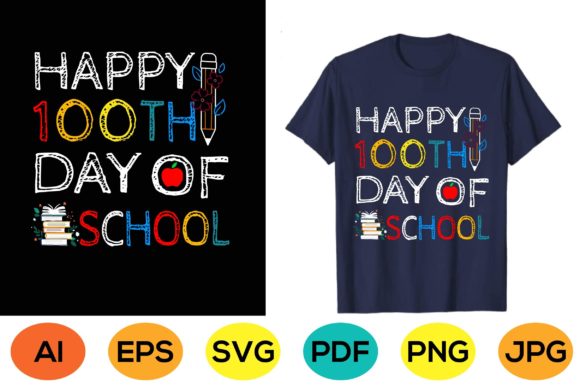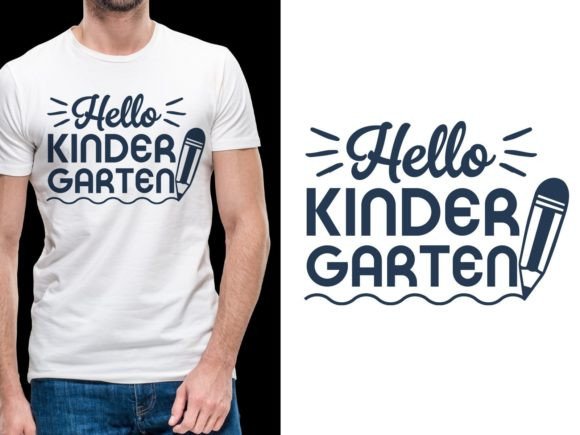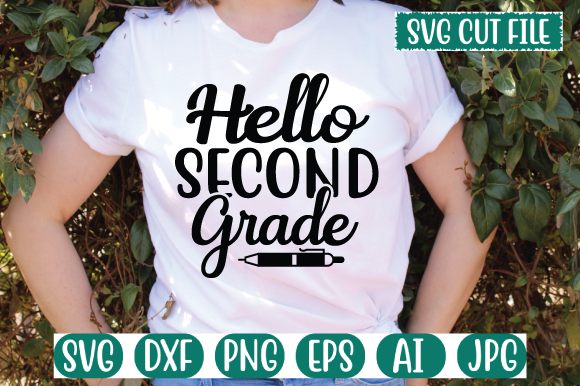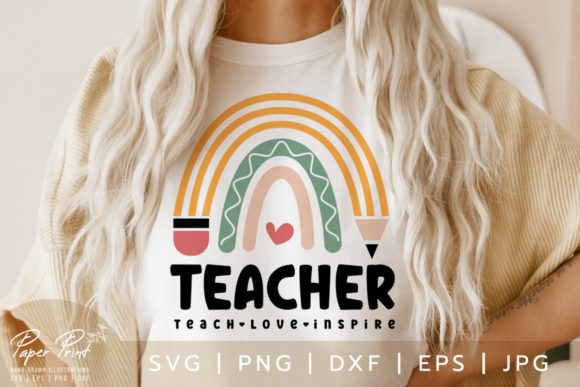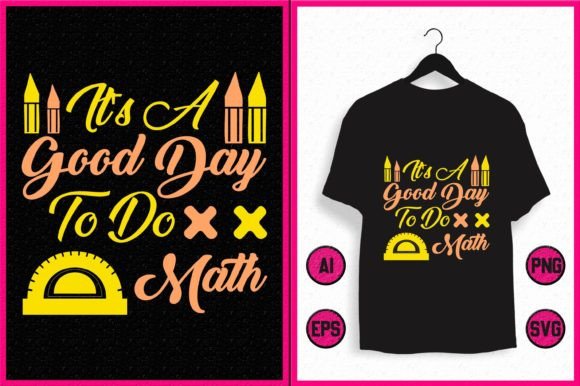
It’s a Good Day to Do Math
There’s something quietly powerful about the phrase It’s a Good Day to Do Math. It doesn’t shout. It doesn’t promise miracles. Instead, it offers calm confidence—a reminder that curiosity, logic, and quiet focus have real value. For teachers, students, designers, and lifelong learners, this phrase isn’t just clever wordplay; it’s an invitation to reframe how we engage with numbers, patterns, and problem-solving in everyday life.
More Than a Slogan—A Mindset Shift
At its core, It’s a Good Day to Do Math challenges assumptions. Math isn’t just for classrooms or exams—it lives in recipe scaling, budget planning, pixel alignment in design software, rhythm in music, and even the geometry of a well-folded origami crane. When printed on a t-shirt or used in classroom decor, it signals intention: that math is accessible, human, and worth celebrating—not as a gatekeeping subject, but as a tool for clarity and creativity.
Why This Design Resonates With Real People
This isn’t abstract theory. Teachers wear it on Back to School Day to spark conversation—not just about equations, but about perseverance and growth. Homeschool parents print it on notebooks and learning charts to normalize daily reasoning. Graphic designers layer it into lesson plans or digital worksheets because it’s clean, scalable, and instantly legible—even at small sizes. And crafters use the vector files to cut precise iron-on transfers for student-made “Math Team” hoodies or appreciation gifts for STEM mentors.
Practical Flexibility Built In
The digital file package you’ll receive is engineered for real-world use—not just ideal conditions. With 300 DPI resolution, crisp printing is guaranteed whether you’re using a home inkjet, a DTG printer, or a professional screen-printing setup. The fully editable vector formats (AI, EPS, SVG) mean you can adjust colors to match school branding, resize without distortion for tote bags or mugs, or isolate individual letters for layered vinyl projects. And because all color values are 100% changeable, one file serves dozens of contexts: a navy-and-gold version for a high school math club, pastel tones for an elementary classroom banner, or monochrome for laser engraving on wooden bookmarks.
Creative Applications Across Audiences
Educators integrate the design into printable anchor charts—pairing the phrase with visual problem-solving steps or growth mindset prompts. It works equally well on bulletin boards, digital slides, or student reward certificates.
Small business owners use the SVG to create limited-run merch for local math circles, coding bootcamps, or puzzle cafés—adding subtle variations like “It’s a Good Day to Do Math… and Coffee” for café aprons or mugs.
Hobbyists and makers combine it with other classroom-themed vectors—chalkboard textures, abacus icons, or minimalist graph paper backgrounds—to build cohesive sticker sheets or scrapbook kits. On Cricut or Silhouette machines, the clean lines cut precisely on vinyl, heat transfer, or cardstock—no jagged edges or rendering errors.
Content creators and bloggers adapt the phrase into social media templates—overlaying it on photos of hands sketching proofs, time-lapse videos of whiteboard solutions, or candid shots of students collaborating over puzzles. Its tone is warm but grounded—ideal for audiences tired of forced positivity or oversimplified “math is fun!” messaging.
Styling With Purpose—Not Just Aesthetics
How you present It’s a Good Day to Do Math matters as much as the words themselves. A bold, geometric sans-serif reinforces precision and modernity—perfect for STEM outreach or university departments. A hand-lettered version adds approachability, especially for younger grades or inclusive math initiatives. Pair it with subtle icons (a compass, a folded paper crane, or intersecting Venn diagram circles) to reinforce meaning without clutter. Avoid overcrowding: the strength of this phrase lies in its restraint.
Using It Thoughtfully—Beyond the T-Shirt
Remember: the goal isn’t just visibility—it’s resonance. If you’re designing for a teacher appreciation event, consider pairing the phrase with a short, handwritten-style note: “For the ones who turn ‘I can’t’ into ‘Let’s try again.’” For a math night at school, use the PNG version on digital signage alongside QR codes linking to free practice tools or family-friendly puzzle banks. When adapting for international audiences, keep translations concise and culturally neutral—focus on action verbs (“solve,” “explore,” “discover”) rather than idioms that don’t translate.
What Makes This File Bundle Stand Out
Unlike generic clip art packs, this collection prioritizes real usability:
- No hidden layers or locked elements—everything opens and edits cleanly in standard design software.
- Consistent spacing and kerning across all formats, so text remains readable whether scaled to 2 inches or 24 inches.
- PNG versions include transparent backgrounds, making them plug-and-play for Canva, Google Slides, or LMS platforms like Canvas or Moodle.
- All files are pre-organized by format and use case—no digging through nested folders to find the right SVG for your Cricut project.
A Resource That Grows With You
You don’t need to be a designer to use this well. Start simple: print the SVG on a cotton tee for your next department meeting. Then experiment—swap fonts in Illustrator, add a subtle gradient overlay in Photoshop, or animate the phrase frame-by-frame for an Instagram story. The vector foundation ensures every iteration stays sharp and professional. And because it’s designed for educators *by someone who understands classroom realities*, there’s no fluff—just clear, adaptable, classroom-tested utility.
Final Thought: Math Is Human
It’s a Good Day to Do Math endures because it affirms something essential: that thinking deeply, asking questions, and working through uncertainty aren’t just academic tasks—they’re acts of courage and care. Whether you’re wearing it, teaching with it, or building something new around it, let the phrase serve its quiet purpose: to make space for curiosity, honor effort over perfection, and remind us all that clarity begins with showing up—ready, willing, and open to the work.